Bible Surveys

According to reliable surveys, only 15% of Bible-believing Christians regularly read the Book they claim to believe. 35% never read it outside of church. 50% only read God’s Word occasionally. Where do you fit in this picture?

We encourage everyone to commit to reading the entire Word of God. Each year, we hear from people who tell us what a blessing it has been to read God’s Word, completely and systematically.

Teaching the Words

Dr. Paul. M. Elliott

Holy Communion

At Eric Michel Ministries International and the Ecumenical Association of Churches (IAoC), the Holy Eucharist is a central ritual in all our worship. You must be a baptized Christian to receive it. The ritual in use is the Anglican version; regardless of your denomination, if you celebrate with us, it is required in your local Church.


The Eucharist, also known as Holy Communion, Blessed Sacrament and the Lord’s Supper, is a Christian rite considered a sacrament in most churches and an ordinance in others. Christians believe that the rite was instituted by Jesus at the Last Supper, the night before his crucifixion, when he gave his disciples bread and wine. Passages in the New Testament state that he commanded them to “do this in memory of me” while referring to the bread as “my body” and the cup of wine as “the blood of my covenant, which is poured out for many.”According to the Synoptic Gospels, this was at a Passover meal.

The elements of the Eucharist, sacramental bread, either leavened or unleavened, and wine (non-alcoholic grape juice in some Protestant traditions), are consecrated on an altar or a communion table and consumed after that. The consecrated elements are the end product of the Eucharistic Prayer. Christians generally recognize Christ’s unique presence in this rite. However, they differ about how, where, and when Christ is present.

The Catholic Church states that the Eucharist is the body and blood of Christ under the species of bread and wine. It maintains that by the consecration, the substances of the bread and wine become the substances of the body and blood of Jesus Christ (transubstantiation). In contrast, the appearance of the bread and wine remains unaltered (e.g. colour, taste, feel, and smell). The Eastern Orthodox and Oriental Orthodox churches agree that an objective change occurs in the bread and wine, transforming them into the body and blood of Christ. Lutherans believe Christ’s actual body and blood are really present “in, with, and under” the forms of the bread and wine, known as the sacramental union. Reformed Christians believe in the real spiritual presence of Christ in the Eucharist. Anglican eucharistic theologies universally affirm the real presence of Christ in the Eucharist. However, Evangelical Anglicans believe that this is a spiritual presence, while Anglo-Catholics hold to a human presence. As a result of these different understandings, “the Eucharist has been a central issue in the discussions and deliberations of the ecumenical movement.”

In the Catholic Church, the Eucharist is considered a sacrament; according to the Church, the Eucharist is “the source and summit of the Christian life.” “The other sacraments, and indeed all ecclesiastical ministries and works of the apostolate, are bound up with the Eucharist and are oriented toward it. For in the blessed Eucharist is contained the whole spiritual good of the Church, namely Christ himself, our Pasch.”

Anglican theology on the Eucharist is nuanced. The Eucharist is neither wholly a matter of transubstantiation nor simply devotional and memorialist in orientation. The Anglican churches do not adhere to the belief that the Lord’s Supper is merely a devotional reflection on Christ’s death. For some Anglicans, Christ is spiritually present in the fullness of his person in the Eucharist.

The Church of England has repeatedly refused to officially define “the presence of Christ.” Church authorities prefer to leave it a mystery while proclaiming the consecrated bread and wine to be “spiritual food” of “Christ’s Most Precious Body and Blood”; the bread and wine are an “outward sign of an inner grace.”: 859  The administration’s words at communion allow for genuine but spiritual presence (Calvinist receptionism and virtualism). This concept was friendly to most Anglicans well into the 19th century. From the 1840s, the Tractarians reintroduced the idea of “the real presence” to suggest a human presence, since the language of the BCP rite referred to the body and blood of Christ without detail, while also referring to them as spiritual food elsewhere in the text. Both are found in the Latin and other rites, but a definite corporeal interpretation is applied in the former.

Both receptionism and virtualism assert the real presence. The former emphasizes the recipient and states that “the presence” is connected by the power of the Holy Spirit but not in Christ’s natural body. His presence is objective and does not depend on the recipient’s faith. The liturgy petitions that the elements “be” rather than “become” the body and blood of Christ, leaving aside any theory of change in the natural elements: bread and wine are the outer reality, and “the presence” is the inner, invisible, except as perceived in faith: 314–324 

In 1789, the Episcopal Church in the United States restored explicit language that the Eucharist is an oblation (sacrifice) to God. Subsequent revisions of the Book of Common Prayer by member churches of the Anglican Communion have done likewise (the Church of England did so in the proposed 1928 prayer book): 318–324 

The “Black Rubric” in the 1552 prayer book, which allowed kneeling for communion but denied Christ’s fundamental and essential presence in the elements, was omitted in the 1559 edition at Queen Elizabeth I’s insistence. It was reinstated in the 1662 prayer book, modified to deny any human presence, suggesting that Christ was present in his natural body.

In most parishes of the Anglican Communion, the Eucharist is celebrated every Sunday, replacing Morning Prayer as the principal service. The rites for the Eucharist are found in the various prayer books of the Anglican churches. Wine and unleavened wafers or unleavened bread are used. Daily celebrations are the norm in many cathedrals, and parish churches sometimes offer one or more services of Holy Communion during the week. The nature of the liturgy varies according to the theological traditions of priests, parishes, dioceses, and regional churches. Leavened or unleavened bread may be used.

Reception of the Blessed Sacrament in the Anglican Communion and other Anglican jurisdictions varies by province. Formerly, Confirmation was generally required as a precondition to reception. Still, many provinces now allow all the baptized to partake, provided they are in good standing with the Church and have previously received First Communion.

Individuals will genuflect or bow in the presence of the Blessed Sacrament, which may be reserved in a tabernacle or aumbry on, behind, or near the altar. Its presence is usually indicated by a lamp suspended over or placed near the tabernacle or aumbry. Except among Anglo-Catholics, the use of a monstrance is rare. This is in keeping with Article XXV of the Thirty-Nine Articles, which states that “the Sacraments were not ordained of Christ to be gazed upon, or to be carried about, but that we should duly use Them.” Nonetheless, many parishes do have services in which a ciborium is removed from the tabernacle or aumbry and hymns, prayers, psalms, and sentences of devotion are sung or read. In some parishes, when the Blessed Sacrament is moved from the tabernacle (from a high altar to a chapel altar, for instance), sanctus bells are rung and all present kneel.

EMMI interdenominational differ in our understanding and celebrate the Eucharist with those with whom they are not in full communion. The apologist Justin Martyr (c. 150) wrote of the Eucharist, “of which no one is allowed to partake but the man who believes that we teach are true, and who has been washed with the washing that is for the remission of sins and unto regeneration, and who is so living as Christ has enjoined.” This was continued in practice without dismissing the catechumens before the sacramental part of the liturgy.

Like most Protestant communities, including Congregational churches, the Church of the Nazarene, the Assemblies of God, Methodists, Presbyterians and Baptists, Anglicans, Churches of Christ, and other non-denominational churches, we practice open communion. We at EMMI do not limit it to only congregation members but to any people in attendance who consider themselves Christian, regardless of Christian affiliation. However, we require that the communicant be a baptized person who wishes to commemorate Christ’s life and teachings.

Modified text from https://en.wikipedia.org/wiki/Eucharist
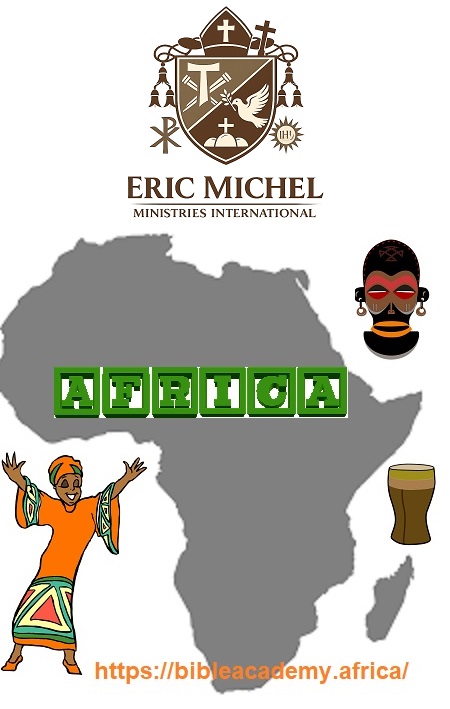
About Africa


Africa is the world’s second-largest continent, covering over 30 million square kilometers with a population of nearly 1.4 billion people.

Geography and Size

Land Area: Covers about 20% of Earth’s total land area.Population: Possesses the youngest median age of any continent.

Population: Possesses the youngest median age of any continent.

Natural Wealth: Holds massive global reserves of natural resources, including major shares of the world’s gold, diamond, coltan, and cobalt reserves.History and Kingdoms

History and Kingdoms

Human Origins: Widely recognized as the cradle of humankind, with anatomically modern humans emerging on the continent over 200,000 years ago.

Ancient Empires: Home to advanced historical civilizations and powerful trading kingdoms prior to colonization, such as the Mali Empire, the Kingdom of Aksum, and Great Zimbabwe.

Major Environmental Initiatives

Great Green Wall: A sprawling African-led initiative aiming to restore 247 million acres of degraded land across the Sahel region by 2030 to combat desertification and create green jobs.

Cultural and Natural Significance

Cradle of Humankind: Fossil evidence shows that human development began in Africa, making it the deep ancestral home for all people.

Rich Diversity: The continent contains more than 2,000 distinct languages and vibrant traditions spanning from the Mediterranean coast to the Cape of Good Hope.

Global Connection: The phrase “Africa is home” is a powerful theme in the diaspora, music (such as the classic highlife track by Ghanaian musician Joe Mensah), and modern movements advocating for a borderless continent.

Did you know? Africa is home to over 2000 languages.

En Tanzanie, la lecture quotidienne de la Bible soutient la mission d’un évêque

En Tanzanie, en Afrique de l’Est, on constate partout la beauté de la nature que Dieu a créée.  

Les vagues miroitantes du lac Victoria clapotent contre les rives des villes côtières comme Mwanza, des falaises surplombent l’île luxuriante d’Ukerewe et des millions de gnous traversent les plaines du parc national du Serengeti dans de leurs migrations.

 Le paysage n’est cependant pas le seul témoin de la bonté de Dieu dans ce pays, où 63 % de la population est chrétienne et forme une communauté dynamique en plein essor. Ces croyants chantent, dansent et adorent Dieu dans des églises de toutes tailles.

 Peter Pharles Kissena est l’un de ces chrétiens. Âgé de

Missions


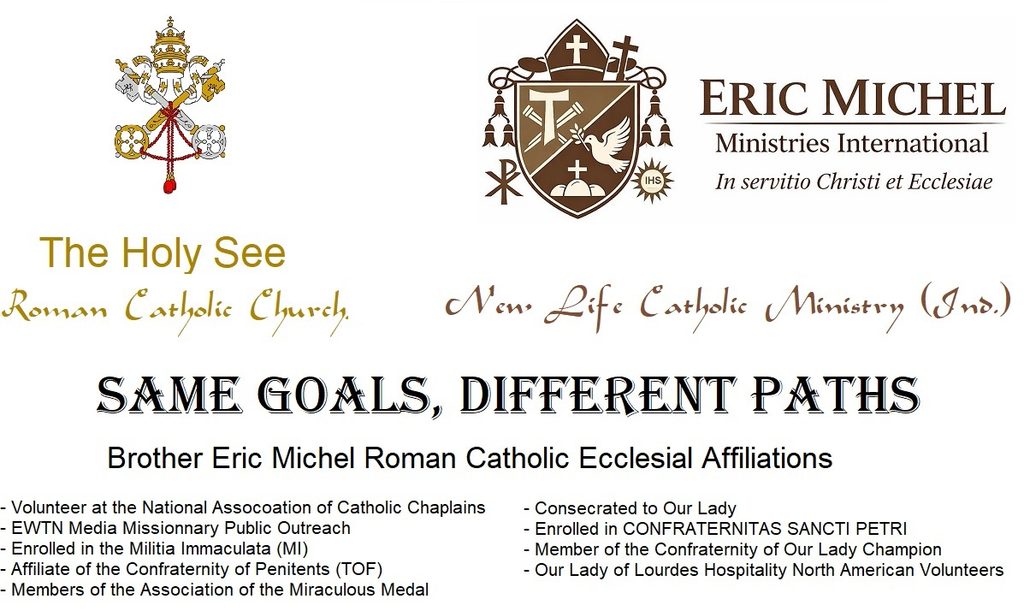
The Roman Catholic Church and I share the same goals, but we use different paths. Sometimes our missions make our paths cross, and at the junction we are going in the same direction. And we use each other to reach our goals.

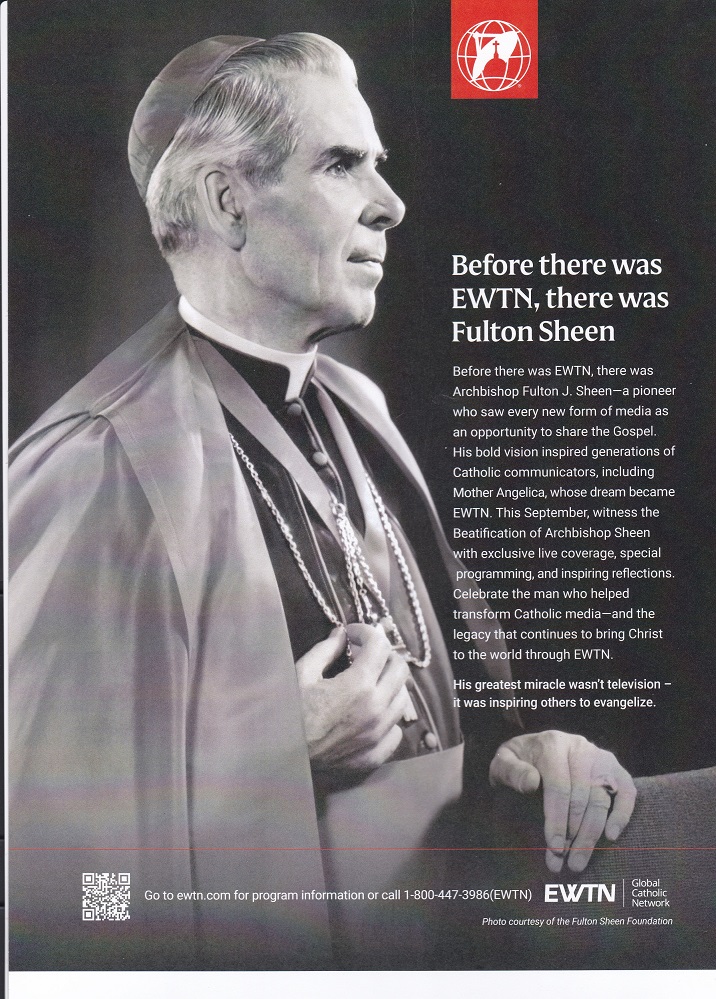
Two ministries that are not on the poster’s list are The Mental Health Ministry and The Prison Ministry. Two ministries that I was involved in in the 80s and 90s, as a director (member of the board) of the family and friends of the person having mental illness (L’Apogée)and as an outreach worker for Outaouais Drug Addiction Intervention and Prevention Centre; I was visiting (full body contact) the Hull detention center. Today I am a member of the Association of Catholic Mental Health Ministers (Christ-Centred Hope, Healing and Recovery in Canada) and a member of the CANADIAN CATHOLIC PRISON MINISTRY NETWORK and The Catholic Prison Ministries Coalition (CPMC).

Our mission is to continue the earthly work of Jesus Christ by glorifying God, leading all people to eternal salvation, spreading the Gospel message, administering the seven sacraments as channels of divine grace, and serving the poor, sick, and marginalized as an expression of Christian love by following the steps of St Francis of Assisi.

Brother Eric

Structure

Church Structure: Bishops oversee specific geographical areas, known as dioceses, and their role is central to the Catholic Church’s structure.

Population vs. Clergy: The number of priests needed is influenced by the Catholic population in a given area and the number of available clergy.

The distribution of priests is not uniform, resulting in substantial differences in the ratio across continents. Specifically, Europe and North America have more priests per capita than their Catholic populations. This results in a much lower ratio of priests to bishops compared to other continents.

Africa and South America, despite having significant Catholic populations, have far fewer priests, resulting in a much higher ratio of priests to bishops. The ratio of priests to bishops varies, with a global average of approximately 76 priests per bishop.

NORTH AMERICA

The structure of Eric Michel Ministries International is within the Archdiocese, which is part of the American Province of the three Marys: Mary, the mother of Jesus; Mary Magdalene; and Mary Salome. We have no church, only a chaplaincy that covers the Canadian provinces of Ontario, Quebec, New Brunswick, Nova Scotia, Prince Edward Island and Newfoundland.

First Bishop: The Metropolitan Archbishop, the Most Reverend Eric M. Gagnon, founder of Eric Michel Ministries International, New Life Catholic Chaplaincy Ministry

Second Bishop: The Right Reverend Emeritus Marie Arnold, Co-Founder of Eric Michel Ministries International

SOUTH AMERICA

La Provincia Franciscana de Nuestra Madre Señora de las Altas Gracias

Brother Cesar Abdias Melgarejo Gargate withdrew because he wants to come to Canada to work for us.

AFRICA

Africa is divided into four ecclesiastic provinces: Northern Africa, East Africa, Southern Africa, and West Africa. In EMMI, a country is equivalent to a district, and each district contains numerous local churches.

Province of the Sacred Hearts, Mid-Africa, with the District of the Central African Republic, the District #10 Democratic Republic of Congo, the District of Gabon, the District of the Republic of Congo, the District of Tanzania and the District #12 Zambia. The conference will have five bishops.

First Bishop: Sylvestre Moussounda, not official

Second Bishop:

Third Bishop:

Fourth Bishop:

Fifth Bishop:

List of Churches:

List of Clergies:

Mafuta Carnado, Seminarian and Pastoral Agent (Lay Minister), member of the Third Order of Saint Francis, Senior Assistant Chaplain.

Province of St Mary, East Africa, with the District of Burundi, the District of Ethiopia, the District #7 Kenya, the District of Rwanda, the District of South Sudan and the District # 5 Uganda. The conference will have two bishops.

First Bishop: Julius Ochungo, monsignor

Second Bishop:

List of Churches

Diocese of Saint Peter, Right Reverend Julius Ochungo, not official

List of Clergies:

Right Reverend Julius Ochungo, Official

Province of St. Francis and Saint Clare of Assisi, Southern Africa, with the District of Angola, the District of Botswana, the District #4, Malawi, the District #32, Mozambique, the District of Namibia, the District of Swaziland, the District # 30, South Africa and the District of Zimbabwe. The conference will have four bishops.

First Bishop:

Second Bishop:

Third Bishop:

Fourth Bishop:

List of Churches

List of Clergy:

Province of Our Lady of Africa (Notre-Dame-D’Afrique) West Africa with the District of Burkina Faso, the District #37 Cameroon, the District of Côte d’Ivoire, the District of Guinea, the District of Guinea-Bissau, the District #34 Liberia, the District of Mali, the District of Niger, the District #11 Nigeria, the District of Senegal and the District of Sierra Leone. The conference will have four bishops.

First Bishop: Celestin Télé, African Superintendant, member of the Third Order of Saint Benedict, Monsignor and Prior, Official.

Second Bishop:

Third Bishop:

Fourth Bishop:

List of Churches

Diocese

Parish Saint Michel Archange d’Ebang Minala, not official.

Parish Fraternité des Missionnaires de Jésus le Bon Pasteur, Official

List of Clergy:

Father Michel Atangana, Official

Father Pierre Claver AYINA NGONO, not official

For a total of 15 Bishops, priests, deacons, and lay ministers in Africa

Supporting Our Church

Support our church in Cameroon. Your generous donation today will help sustain our ministry and create a real, lasting impact.

How can you help our ministry?

The Bible admonishes God’s people to warn others of their spiritual dangers and to expose the wicked plans of the Evil One, who is planning to take them in his deceptive snare:

” .. I have made thee a watchman unto the house of Israel … give them warning from Me. When I say unto the wicked, Thou shalt surely die; and thou givest him not warning … to save his life …his blood will I require at thine hand.” Ezekiel 3:17-21

At Religious Counterfeits Ministry, we believe God calls us to be His watchmen, responsible for protecting and warning both unbelievers and believers about spiritual dangers. We are committed to raising awareness of the threats we face. We strive to provide you with the information you need to warn and protect others. Hosea 4:6: “My people are destroyed for lack of knowledge.”

If you feel blessed by this ministry, we invite you to support us through your prayers and financial gifts. Your contributions help us remain online, provide essential research materials, and directly support our work in Cameroon. Please consider giving today to help maintain the resources our online ministry needs, including phone lines, servers, and infrastructure.

Your support helps cover costs such as copying, phone and fax expenses, paper, recording equipment, and other essential materials needed to share God’s Word. Donations also enable us to publish printed materials and produce recordings for future distribution.

When you give to our church in Cameroon, your generosity helps multiply the blessings for many (as illustrated in the parable of the ten talents). “The generous will prosper; those who refresh others will themselves be refreshed.” (Proverbs 11:25) Your prayers, encouragement, and financial gifts make a critical difference. Help us bring hope and warning to thousands by donating today.

Father Atagana rebuilt his church using personal funds. The people of Cameroon need our help; they cannot do it alone.

Act now; our church in Cameroon urgently needs your financial support and prayers. Please donate today to make a meaningful difference.