
Movies on my DVDs
- Blood Diamond is a 2006 American war drama film directed and co-produced by Edward Zwick and starring Leonardo DiCaprio, Jennifer Connelly and Djimon Hounsou. The title refers to blood diamonds, which are diamonds mined in war zones and sold to finance conflicts, thereby profiting warlords and diamond companies worldwide.
- Set during the Sierra Leone Civil War, the film depicts a country torn apart by the struggle between government loyalists and insurgent forces. It also portrays many of the atrocities of that war, including the rebels’ amputation of civilians’ hands to discourage them from voting in upcoming elections. The film’s ending, in which a conference is held on blood diamonds, refers to a historic meeting held in Kimberley, South Africa, in 2000. It led to the development of the Kimberley Process Certification Scheme, which sought to certify the origin of rough diamonds to curb the trade in conflict diamonds; the scheme has been widely regarded as ineffective.
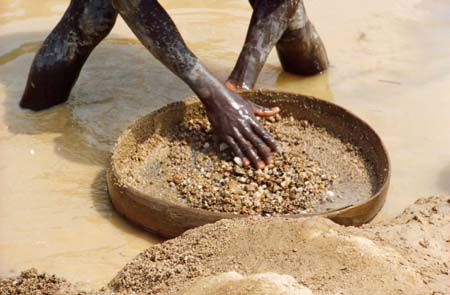
- The real Blood diamonds, also known as conflict diamonds and less commonly as hot diamonds, are diamonds mined or traded in areas affected by armed conflict and used to finance rebel movements, insurgencies, or other armed groups. The term became widely associated with diamonds mined during civil wars in Angola, Ivory Coast, Sierra Leone, Liberia, Guinea, and Guinea-Bissau in the late 20th and early 21st centuries. Blood diamonds are also frequently smuggled by organized crime syndicates for sale on the black market. According to the Kimberley Process, global trade in rough diamonds in 2023 totalled approximately 112 million carats. Similar terms, such as conflict resources and conflict minerals, are used for other natural resources exploited under comparable conditions.
- During the 1990s, diamond-rich areas were discovered in northern Canada, and Canada became an important participant in the diamond industry. Partnership Africa Canada was created in 1986 to support development initiatives in Africa. It was also involved in the Diamond Development Initiative, which sought to improve conditions for artisanal diamond miners and build on the Kimberley Process
The conflict diamond trade became a major international concern in the late 20th century, although estimates of its scale have varied over time. Reports cited by Partnership Africa Canada estimated that as much as 21% of global diamond production in the 1980s was sold for illegal or unethical purposes, with 19% specifically conflict-related. The prominence of diamonds in conflicts in Angola, Sierra Leone, and the Democratic Republic of the Congo contributed to international efforts to regulate the rough diamond trade. The Kimberley Process began in 2000, and the Kimberley Process Certification Scheme came into effect in 2003.
The KPCS was initiated in May 2000 by South Africa, with Canada as a major supporter of the scheme. Canada later passed several laws intended to help stop the trade in conflict diamonds. The laws address the import, export, and transit of rough diamonds. In December 2002, the Canadian government passed the Export and Import of Rough Diamonds Act, which established controls on the import, export, and transport of rough diamonds through Canada. The Act makes the Kimberley Process the minimum requirement for certifying rough diamonds, and requires a certificate for all shipments. This certificate, known as the Canadian Certificate, allows officials to seize shipments that do not meet the requirements of the Act
- Angola
- Ivory Coast
- Democratic Republic of Congo
- Liberia
- Sierra Leone. The Sierra Leone Civil War lasted from 1991 to 2002 and caused widespread civilian suffering, including killings, mutilation, sexual violence, torture, abduction, and the recruitment of child soldiers. Much of the violence was carried out by the Revolutionary United Front (RUF), which became notorious for attacks on civilians, including the amputation of limbs.
- Republic of Congo
- Zimbabwe
- Central African Republic
Global Witness was one of the first organizations to document the link between diamonds and conflicts in Africa in its 1998 report A Rough Trade. With the adoption of United Nations Security Council Resolution 1173 in 1998, the United Nations identified conflict diamonds as a source of funding for war.
On July 19, 2000, the World Diamond Congress in Antwerp adopted a resolution to strengthen the diamond industry’s ability to block the sale of conflict diamonds. The resolution called for an international certification system for diamond imports and exports, legislation requiring countries to accept only officially sealed packages of diamonds, criminal penalties for trafficking in conflict diamonds, and a ban by the World Federation of Diamond Bourses on individuals found trading in conflict diamonds.
Critics have argued that the KPCS has failed to stem the flow of conflict diamonds, leading its key proponent, Global Witness, to leave the scheme in 2011 after exports from Zimbabwe’s Marange diamond field were reapproved. The organization also cited alleged failures to cut off conflict diamonds from Ivory Coast and to address alleged rule-breaking by Venezuela. In addition, critics argue that KPCS certification does not guarantee that diamonds are conflict-free. They have pointed to corruption among officials in some diamond-producing countries, including allegations that officials accepted bribes in exchange for paperwork certifying conflict diamonds as KPCS-compliant.
https://en.wikipedia.org/wiki/Blood_diamond
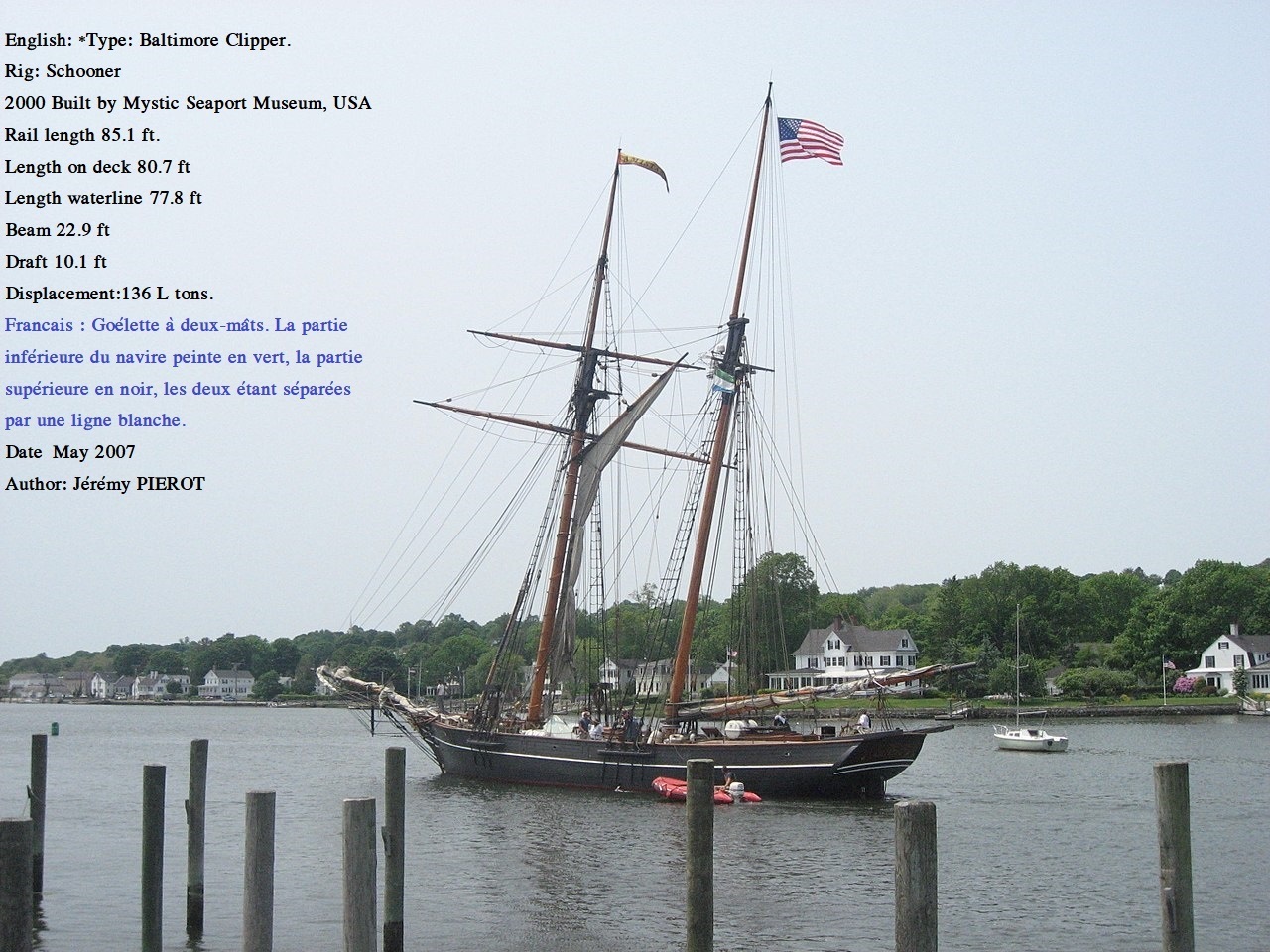
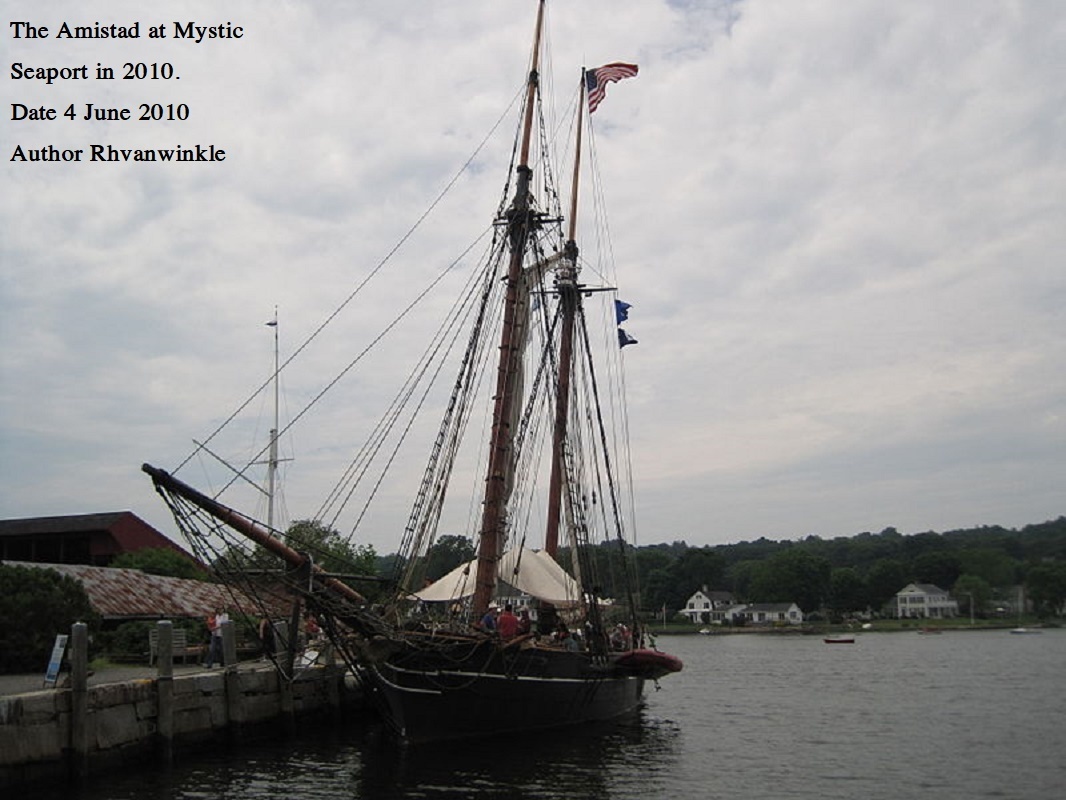
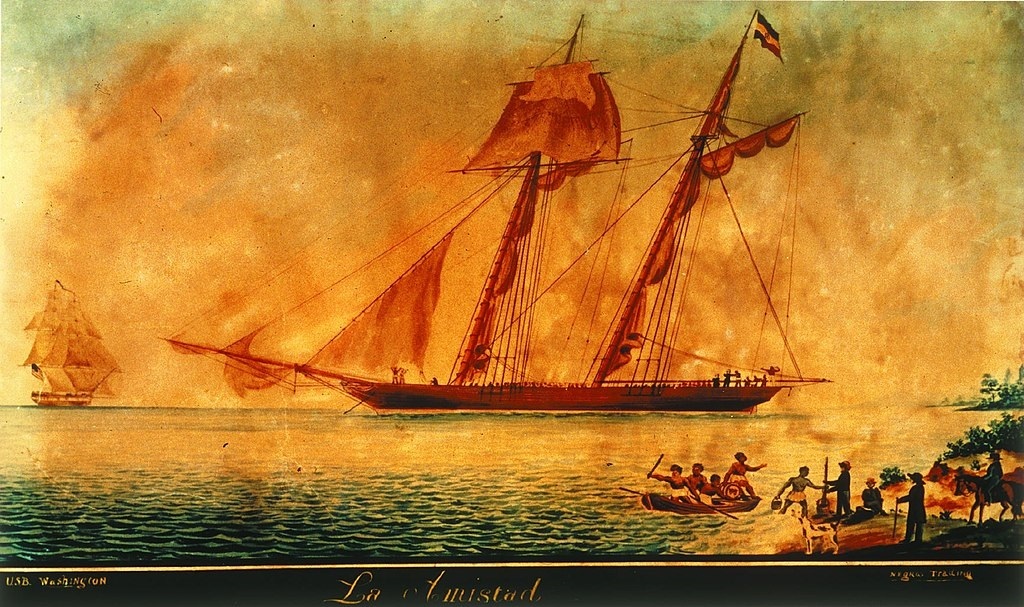
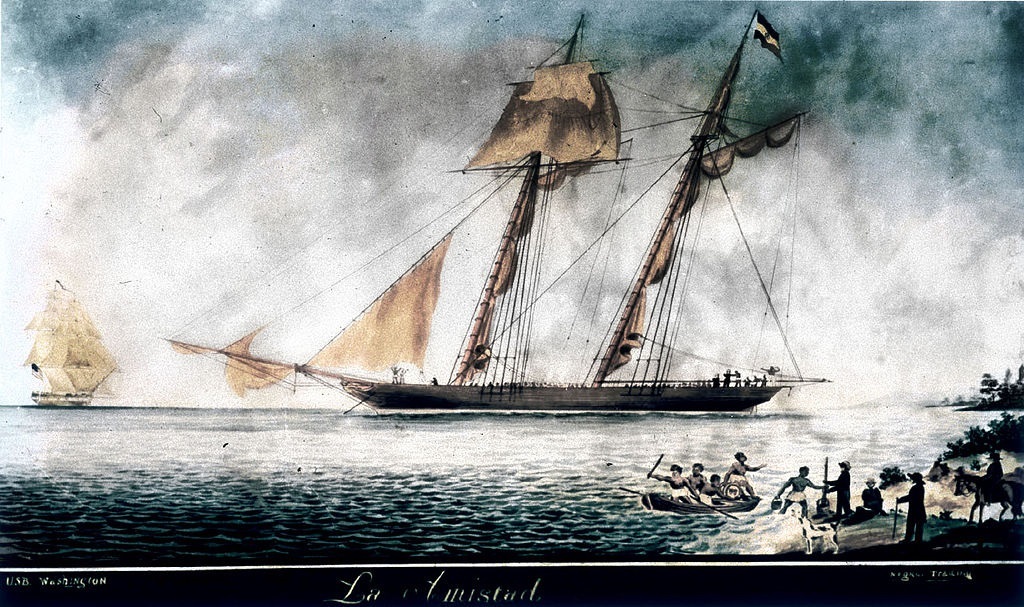
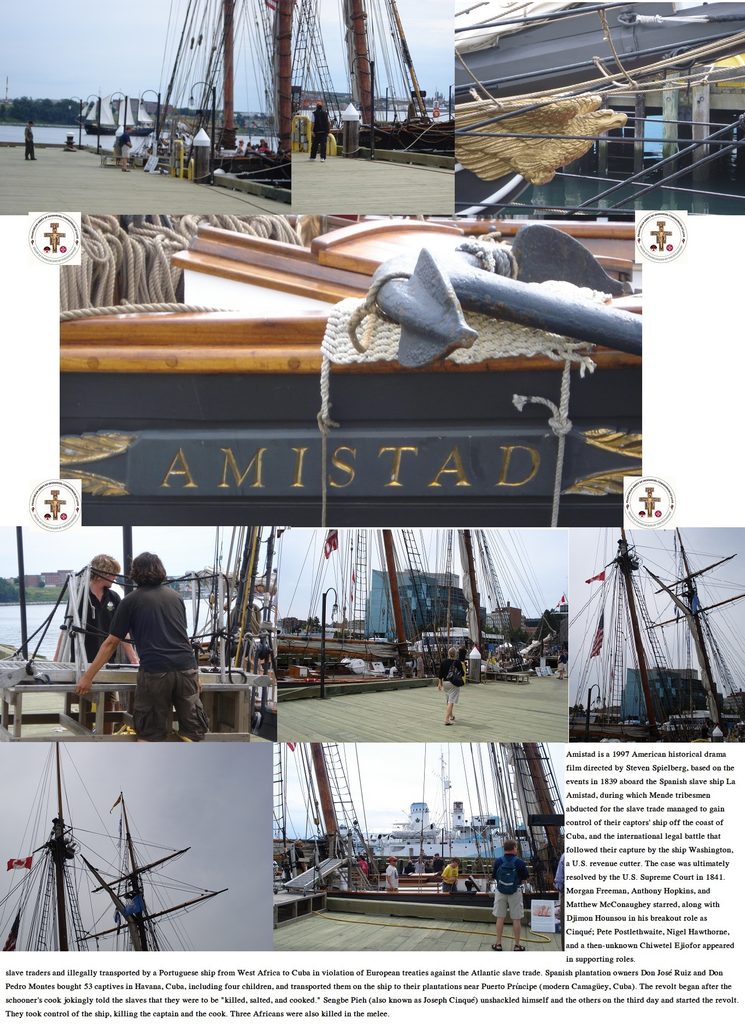
The Spanish slave ship La Amistad
I took these pictures when the Amistad ship was anchored at Halifax Pier on August 07, 2009.
Note the story of slavery from Cuba and the people of Africa
- Black slavery in Cuba lasted for nearly 400 years, shaping the island into one of the largest and most profitable slave societies in the Americas. Introduced by Spanish colonizers in 1513, African slavery exploded into a massive plantation-driven industry by the 19th century. Despite intensive international pressure, Cuba was the last territory in the Caribbean to legally abolish slavery, finally doing so in 1886
- 1513: First recorded entry of enslaved Africans to replace the decimated indigenous Taíno population
- Early Era: Enslaved people primarily worked in urban areas, shipyards, and domestic roles
- 1762: The British capture Havana and import 10,000 enslaved Africans in just 10 months, supercharging the agricultural economy.
- 1791: The Haitian Revolution collapses Haiti’s sugar dominance, prompting Cuba to seize the global market and massively expand its plantation system.
- 19th Century: Over 800,000 to 1 million Africans are trafficked to Cuba, many arriving illegally after international bans on the transatlantic trade.
- The centuries-long influx of African people profoundly shaped Cuban identity. Today, an estimated 4 million Cubans, more than one-third of the population, possess African ancestry. Elements of West African culture, particularly from the Yoruba and Congo regions, remain vibrant pillars of Cuba’s music, dance, and spiritual traditions, such as Santería. Despite formal anti-discrimination laws passed after the 1959 revolution, socioeconomic disparities and systemic colorism continue to impact Afro-Cuban communities.
- End of Slavery: The Spanish crown ended its participation in the slave trade in 1867, eventually transitioning to a gradual emancipation system that culminated in full abolition by royal decree in 1886.
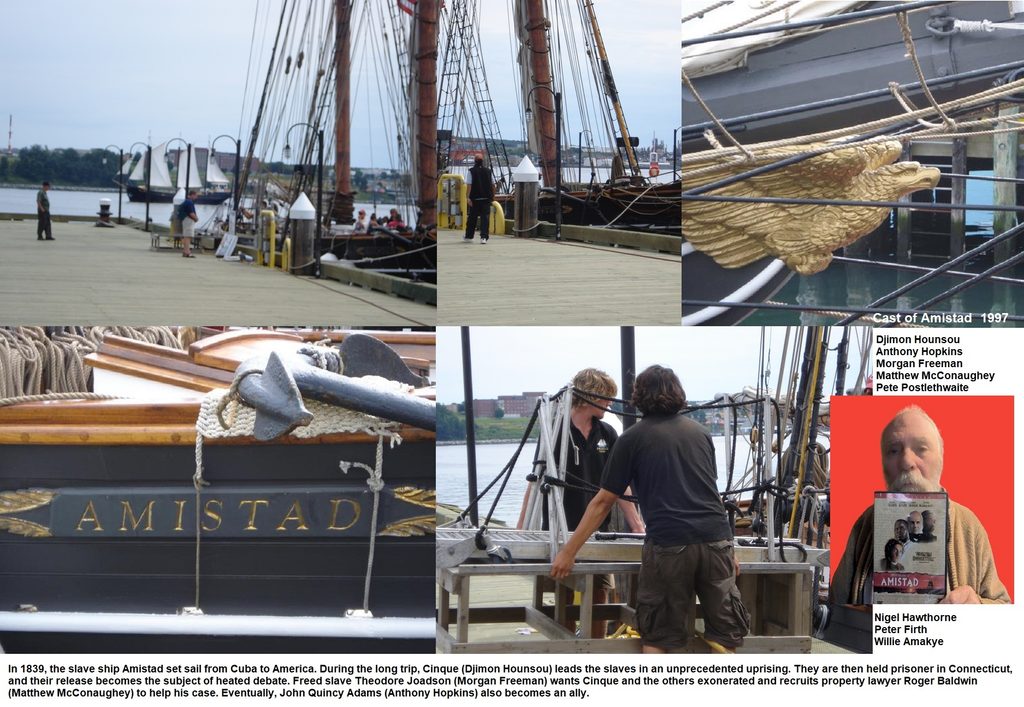
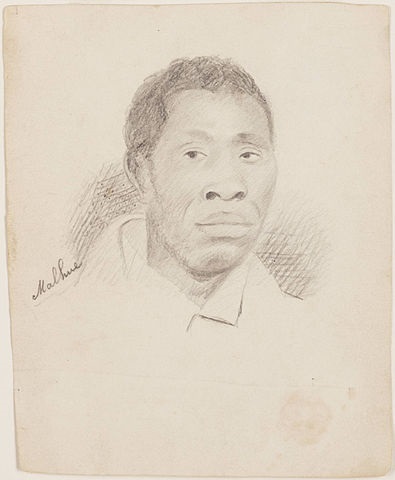
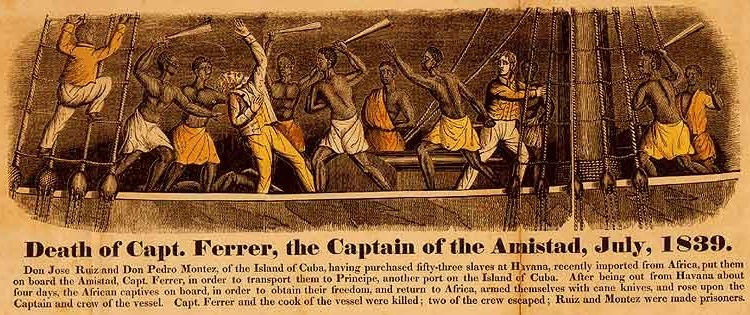
- Amistad is a 1997 American historical drama film directed by Steven Spielberg and written by David Franzoni, based on the events in 1839 aboard the Spanish slave ship La Amistad, during which Mende tribesmen abducted for the slave trade managed to gain control of their captors’ ship off the coast of Cuba, and the international legal battle that followed their capture by the Washington, a U.S. revenue cutter. The case was ultimately resolved by the U.S. Supreme Court in 1841. Amistad was released by DreamWorks Pictures on December 10, 1997. The film received largely positive critical reviews